When choosing a nameplate for your machinery, equipment, electrical panels, or industrial assets, one common question is:
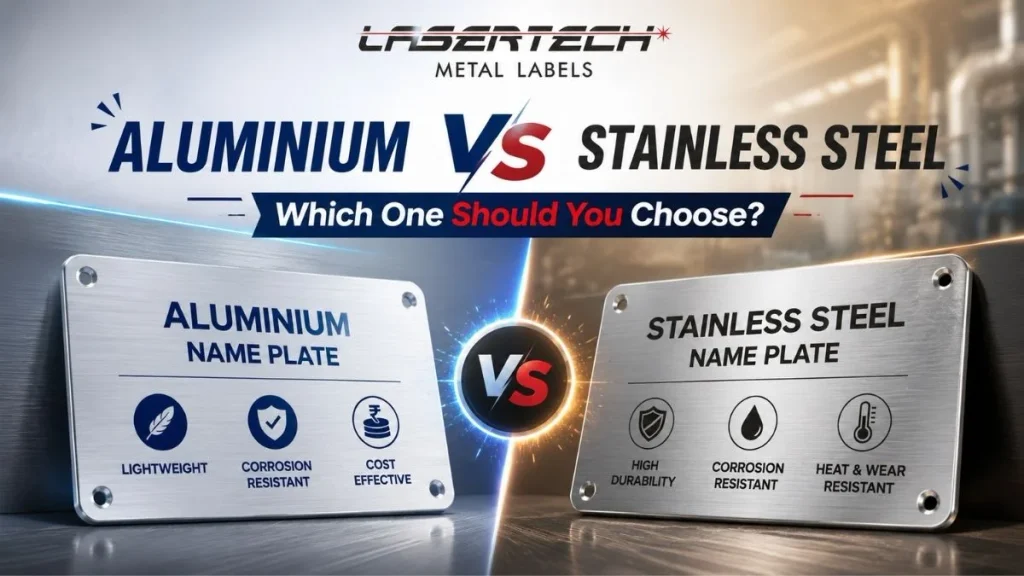
Should you choose an aluminium name plate or a stainless steel name plate?
Both materials are widely used in industries, but they are designed for different applications. The right choice depends on factors like the working environment, durability requirements, budget, and appearance.
In this blog, we will compare aluminium vs stainless steel name plates in simple terms to help you choose the best option for your business.
What is an Aluminium Name Plate?
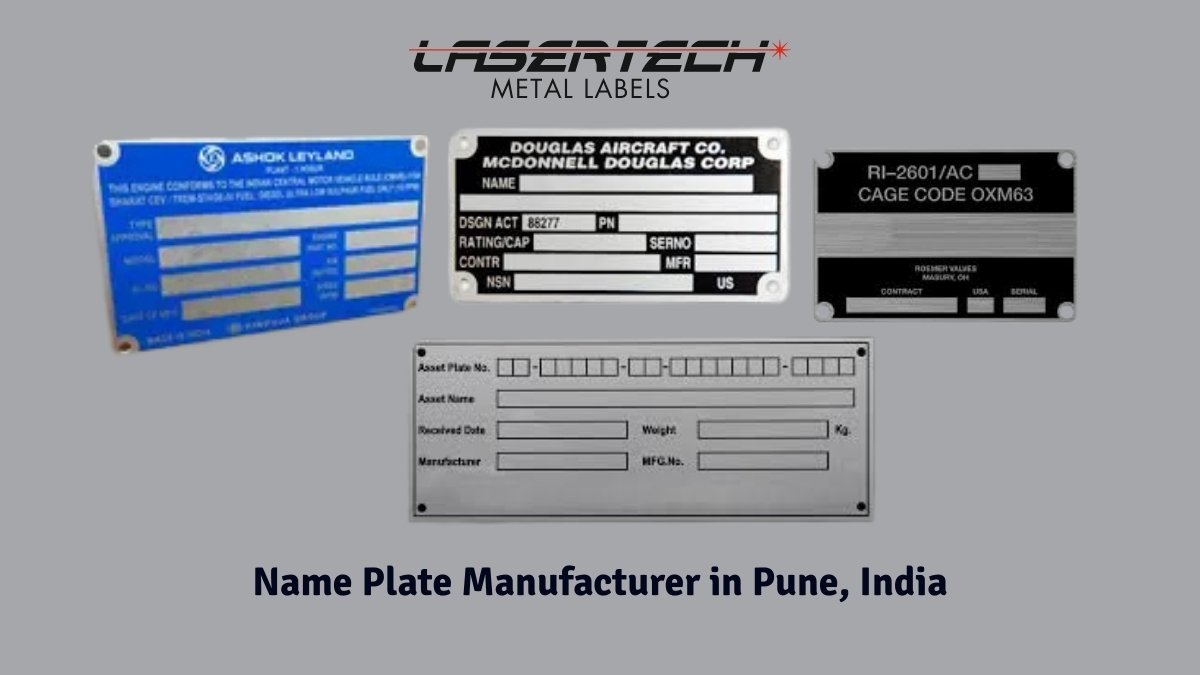
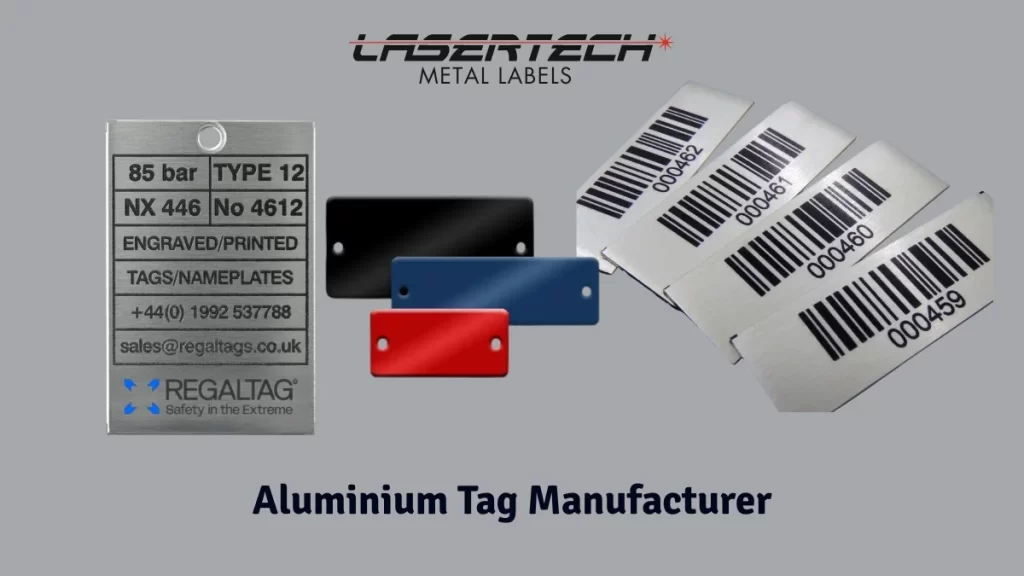
An aluminium name plate is made from lightweight aluminium and is commonly used for machinery identification, electrical panels, asset tags, barcode labels, and product information plates.
Aluminium is naturally corrosion-resistant and offers a clean, professional finish. It is also easy to customise with printing, laser marking, or engraving.
What is a Stainless Steel Name Plate?
A stainless steel name plate is made from high-strength stainless steel, making it suitable for harsh industrial environments.
It is widely used for heavy machinery, outdoor equipment, industrial plants, automotive applications, and areas exposed to heat, chemicals, or moisture.
Stainless steel provides excellent durability and a premium appearance that lasts for many years.
Aluminium vs Stainless Steel Name Plates: Complete Comparison
Aluminium Name Plates
1. Durability
Aluminium is durable enough for most indoor and moderate industrial applications. It resists rust and performs well under normal working conditions.
However, it may get scratched or dented more easily than stainless steel.
Stainless Steel Name Plates
Stainless steel is much stronger and designed for heavy-duty industrial use. It can handle rough handling, impact, chemicals, and harsh weather conditions without losing its strength.
Winner: Stainless Steel
2. Corrosion Resistance
Both materials offer good corrosion resistance, but there is a difference.
Aluminium
Aluminium naturally forms a protective oxide layer that helps prevent corrosion. It performs well in normal indoor and outdoor conditions.
Stainless Steel
Stainless steel offers superior corrosion resistance, especially in humid, coastal, chemical, and industrial environments.
Winner: Stainless Steel
3. Weight
If weight is an important factor, aluminium has a clear advantage.
Aluminium
- Lightweight
- Easy to install
- Suitable for portable equipment
Stainless Steel
- Heavier
- Better for permanent installations
Winner: Aluminium
4. Appearance
Both materials provide an attractive finish.
Aluminium Name Plates
- Smooth finish
- Modern appearance
- Available in different colours through anodizing
Stainless Steel Name Plates
- Premium metallic finish
- Elegant appearance
- Ideal for luxury products and industrial equipment
Winner: Depends on your design preference.
5. Heat Resistance
Industrial machinery often operates in high-temperature environments.
Aluminium
Can tolerate moderate heat but may not be suitable for extremely high temperatures.
Stainless Steel
Excellent heat resistance, making it suitable for furnaces, heavy machinery, boilers, and industrial plants.
Winner: Stainless Steel
6. Cost
Budget is an important factor for every business.
Aluminium Name Plates
Aluminium is generally more affordable than stainless steel, making it a popular choice for large production quantities.
Stainless Steel Name Plates
Stainless steel costs more due to its strength and long lifespan.
However, it offers better long-term value in demanding environments.
Winner: Aluminium (Lower Initial Cost)
7. Customisation Options
Both materials support various manufacturing processes.
You can customise both aluminium and stainless steel name plates with:
- Company logo
- Serial numbers
- QR codes
- Barcodes
- Variable data
- Machine specifications
- Laser engraving
- Chemical etching
- Screen printing
Winner: Tie
Where are Aluminium Name Plates Used?
Aluminium name plates are commonly used for:
- Electrical panels
- Control panels
- Industrial equipment
- Barcode labels
- Asset tags
- Consumer products
- Office equipment
- Machinery identification
- Product information labels
They are an excellent choice when lightweight and cost-effective identification is required.
Related Read: Understanding Metal Nameplates: Types, Uses, and Benefits
Where are Stainless Steel Name Plates Used?
Stainless steel name plates are preferred for:
- Heavy industrial machinery
- Manufacturing plants
- Oil and gas industry
- Chemical industries
- Automotive sector
- Railway equipment
- Outdoor machinery
- Marine applications
- Medical equipment
- Food processing machinery
These applications require long-lasting identification even in challenging environments.
Related Read: Applications of Stainless Steel Nameplates: Where and Why They Are Used
Aluminium vs Stainless Steel Name Plates – Quick Comparison
| Feature | Aluminium Name Plates | Stainless Steel Name Plates |
| Weight | Lightweight | Heavy |
| Durability | Good | Excellent |
| Corrosion Resistance | Very Good | Excellent |
| Heat Resistance | Moderate | High |
| Cost | More Affordable | Higher Investment |
| Outdoor Performance | Good | Excellent |
| Premium Appearance | Good | Excellent |
| Lifespan | Long | Very Long |
Frequently Asked Questions (FAQs)
Which is better, aluminium or stainless steel name plates?
It depends on your application. Aluminium name plates are ideal for lightweight and cost-effective projects, while stainless steel name plates are better for harsh industrial environments where durability is the priority.
Are aluminium name plates suitable for outdoor use?
Yes. Aluminium offers good corrosion resistance and performs well outdoors. However, for extremely harsh environments such as coastal areas or chemical plants, stainless steel is usually a better choice.
Which material lasts longer?
Stainless steel generally has a longer lifespan because it offers better resistance to corrosion, impact, heat, and harsh weather conditions.
Which name plate is more affordable?
Aluminium name plates are usually more economical than stainless steel name plates, making them suitable for businesses with larger quantity requirements and moderate operating conditions.
Can both aluminium and stainless steel name plates include barcodes and QR codes?
Yes. Both materials can be customised with barcodes, QR codes, serial numbers, logos, and variable data using laser marking, engraving, chemical etching, or screen printing.
Which industries commonly use stainless steel name plates?
Industries such as automotive, engineering, pharmaceuticals, food processing, oil and gas, power generation, and heavy manufacturing commonly use stainless steel name plates because of their strength and durability.
Final Thoughts
Both aluminium and stainless steel name plates are excellent identification solutions, but the right choice depends on your working environment and business requirements.
If you need a lightweight and cost-effective solution for standard industrial applications, aluminium name plates are a practical option. On the other hand, if your equipment operates in harsh environments with exposure to heat, chemicals, moisture, or heavy wear, stainless steel name plates offer superior durability and long-term performance.
At Lasertech Metal Labels, we manufacture premium-quality aluminium and stainless steel name plates customised for industrial applications across India. Whether you need machinery name plates, equipment labels, barcode nameplates, asset tags, or customised identification plates, our team can help you choose the right solution for your application.
Looking for the perfect name plate for your business? Contact Lasertech Metal Labels today for expert guidance and high-quality customised metal name plates built to last.